
Where Saskatchewan farmland values are heading in 2026
After a decade of steady gains, Prairie cropland is entering a more selective market. Here is what the numbers — and the bidding — are actually telling us.
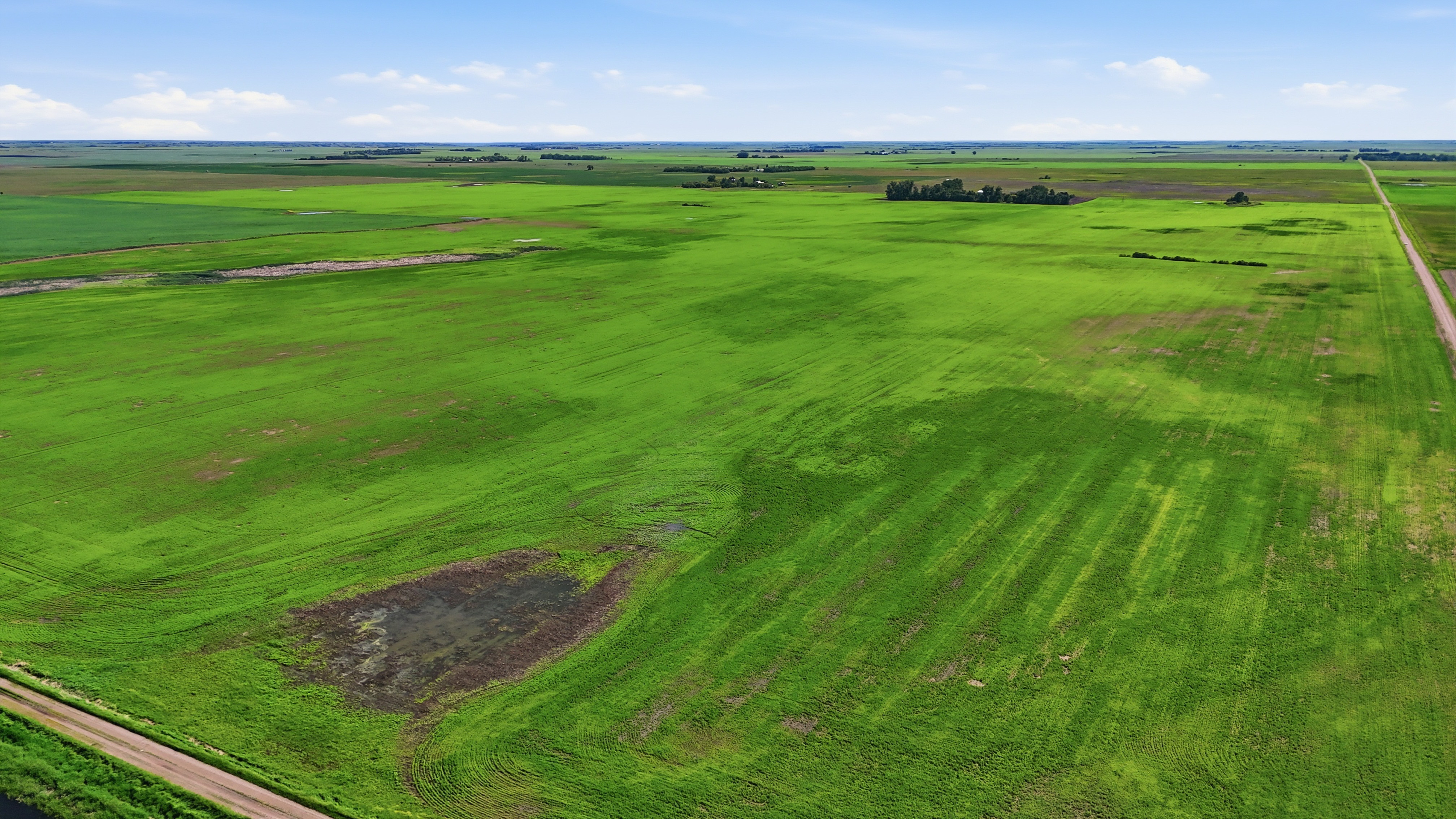
Saskatchewan cropland has roughly doubled in value over the last ten years, but 2026 is shaping up to be a more selective market than the headline averages suggest.
The headline number hides the spread
Province-wide averages are useful for lenders and appraisers, but they flatten an enormous amount of variation. Two quarters in the same R.M. can trade thousands of dollars per acre apart based on soil class, drainage and access alone.
What we are seeing at auction:
- Top-tier Class A and B grain land continues to set records when it comes available.
- Marginal and mixed-use parcels are taking longer to clear and attracting fewer qualified bidders.
- Buyers are underwriting on productivity, not just acreage.
Why transparency matters more in a selective market
When buyers can see every bid, they bid with confidence. When they can't, they discount for uncertainty.
In a hot market almost anything sells. In a selective one, the quality of the sale process shows up directly in the final price. Open, competitive bidding lets a strong parcel find its true ceiling instead of being capped by a single private negotiation.
What this means if you're selling in 2026
Bring your data to the table — soil tests, yield history, lease terms and drainage. The more a qualified buyer can verify, the more aggressively they will bid. You can browse current parcels to see how today's listings present that information.
Ready to buy or sell farmland with complete transparency?
Browse active parcels or register to bid — every acre, honestly sold.